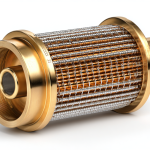
MicroGard Cabin Air Filter – 4111
- Cabin filters filter the air that enters the vehicle through its ventilation system. The result is cleaner air in the passenger cabin of the vehicle and helps keep the interior cleaner and aids in the reduction of contaminants such as pollen, soot and road dust.
Discover how this remarkable automotive filter transforms your driving experience while protecting your health and comfort on every journey
Picture this: you’re driving down a busy highway during rush hour, surrounded by exhaust fumes, dust clouds, and allergens floating through the air. Your windows are up, air conditioning is running, and you assume you’re safe from the polluted atmosphere outside. But here’s the sobering truth – without a quality cabin air filter, your vehicle’s interior can actually harbor more pollutants than the outside air. This is where the Microgard Cabin Air Filter 4111 steps in as your silent guardian, working tirelessly behind the scenes to ensure every breath you take inside your vehicle is clean, fresh, and healthy.
The automotive industry has evolved tremendously over the past few decades, with manufacturers placing increasing emphasis on passenger comfort and health. Gone are the days when cars were simply machines to get you from point A to point B. Today’s vehicles are sophisticated sanctuaries equipped with advanced filtration systems designed to protect occupants from harmful airborne particles. At the heart of this protection lies the cabin air filter – a component that many drivers overlook until problems arise.
The Microgard Cabin Air Filter 4111 represents the pinnacle of automotive air filtration technology, engineered to deliver exceptional performance while maintaining affordability and ease of installation. This comprehensive guide will take you on a journey through everything you need to know about this remarkable filter, from its technical specifications to real-world benefits that will transform your driving experience.
Understanding the Microgard Cabin Air Filter 4111: Engineering Excellence in Every Fiber
The Microgard Cabin Air Filter 4111 is far more than just a simple barrier between you and the outside world. It’s a sophisticated filtration system that employs multiple layers of advanced materials to capture and neutralize a wide spectrum of airborne contaminants. This filter represents years of research and development in automotive air purification technology, designed to meet the demanding requirements of modern vehicles and their occupants.
At its core, the Microgard 4111 utilizes a multi-stage filtration process that begins with a pre-filter layer designed to capture larger particles such as dust, dirt, and debris. This initial barrier prevents these common contaminants from penetrating deeper into the filtration media, thereby extending the filter’s overall lifespan and maintaining optimal airflow throughout its service life.
The secondary filtration layer consists of electrostatically charged fibers that attract and hold microscopic particles, including pollen, mold spores, and fine dust particles that would otherwise circulate freely through your vehicle’s cabin. This electrostatic charge is crucial for capturing particles that are too small for mechanical filtration alone, ensuring that even the tiniest allergens are removed from the air you breathe.
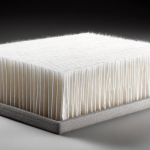
The filter’s construction incorporates pleated media technology, which dramatically increases the surface area available for filtration without compromising airflow. This innovative design allows the Microgard 4111 to maintain excellent filtration efficiency while ensuring your vehicle’s HVAC system operates at peak performance. The pleated configuration also provides structural integrity, preventing the filter from collapsing under the pressure differences created by your car’s ventilation system.
Vehicle Compatibility: A Perfect Fit for Your Automotive Needs
One of the most impressive aspects of the Microgard Cabin Air Filter 4111 is its extensive compatibility with a wide range of vehicle makes and models. This filter has been precision-engineered to meet the exact specifications required by numerous automotive manufacturers, ensuring a perfect fit and optimal performance across different vehicle platforms.
The Microgard 4111 is compatible with many popular vehicles, including various models from major manufacturers such as Honda, Toyota, Nissan, Ford, Chevrolet, and many others. However, it’s crucial to verify compatibility with your specific vehicle before making a purchase, as cabin air filter requirements can vary significantly even within the same manufacturer’s lineup.
The filter’s universal design philosophy means that engineers have carefully considered the dimensional requirements, airflow characteristics, and mounting configurations used across different vehicle platforms. This attention to detail ensures that whether you’re driving a compact sedan, a mid-size SUV, or a pickup truck, the Microgard 4111 will integrate seamlessly with your vehicle’s existing HVAC system.
Vehicle compatibility extends beyond just physical dimensions. The Microgard 4111 has been tested to ensure it meets or exceeds the performance standards set by original equipment manufacturers. This means you can expect the same level of filtration efficiency and airflow characteristics as the filter that came with your vehicle from the factory, often with improved performance thanks to advances in filtration technology.
Installation Excellence: A DIY Project Anyone Can Master
Installing the Microgard Cabin Air Filter 4111 is designed to be a straightforward process that most vehicle owners can complete in their own driveway with basic tools. The beauty of modern cabin air filter design lies in its accessibility – gone are the days when replacing these critical components required professional installation or extensive disassembly of dashboard components.
The installation process typically begins with locating your vehicle’s cabin air filter housing, which is usually positioned behind the glove compartment, under the dashboard on the passenger side, or in some cases, under the hood near the windshield. The exact location varies by vehicle make and model, but most manufacturers have standardized these locations to improve serviceability.
Before beginning the installation, it’s essential to turn off your vehicle’s engine and HVAC system to ensure safety and prevent any debris from being drawn into the system during the replacement process. Many vehicles require removing the glove compartment or a plastic access panel to reach the filter housing, which typically involves removing a few screws or releasing plastic clips.
Once you’ve accessed the filter housing, you’ll find the old filter secured by clips, latches, or a simple friction fit. Carefully note the orientation of the old filter before removal, as proper airflow direction is crucial for optimal performance. The Microgard Cabin Air Filter 4111 features clear directional arrows molded into the frame to ensure correct installation.
The new filter should slide into place easily without forcing or excessive pressure. If the filter doesn’t fit properly, double-check that you have the correct part number and verify the installation orientation. After securing the new filter, reassemble any components you removed and test your HVAC system to ensure proper operation.
Replacement Frequency: Maximizing Performance and Value
Understanding when to replace your Microgard Cabin Air Filter 4111 is crucial for maintaining optimal air quality and protecting your vehicle’s HVAC system. While many automotive manufacturers recommend replacement intervals of 12,000 to 15,000 miles or once per year, real-world conditions often demand more frequent attention to ensure peak performance.
Environmental factors play a significant role in determining replacement frequency. If you frequently drive in dusty conditions, live in an area with high pollen counts, or regularly encounter heavy traffic with elevated exhaust emissions, you may need to replace your cabin air filter every 6,000 to 8,000 miles. Urban drivers who spend considerable time in stop-and-go traffic should pay particular attention to filter condition, as these conditions expose the filter to higher concentrations of pollutants.
Seasonal considerations also impact replacement schedules. Spring brings increased pollen loads that can quickly clog filters, while fall introduces leaves and other organic debris that can reduce filtration efficiency. Many experienced drivers choose to replace their cabin air filters twice per year – once before the spring allergy season and again before winter when they’ll be relying more heavily on recirculated air.
Visual inspection provides valuable insights into filter condition. A clean Microgard 4111 appears white or light gray, while a filter ready for replacement will show obvious discoloration, debris accumulation, or may even emit odors when disturbed. Performance indicators include reduced airflow from vents, increased fan noise, or persistent odors despite using fresh air mode.
Sourcing Your Microgard Cabin Air Filter 4111: Where Quality Meets Convenience
Finding the Microgard Cabin Air Filter 4111 has never been easier, thanks to the widespread availability through multiple retail channels. This accessibility ensures that vehicle owners can obtain replacement filters when needed without lengthy wait times or specialized ordering processes.
Automotive parts retailers represent the primary distribution channel for Microgard filters, with major chains carrying extensive inventories to serve their customer base. These retailers often provide additional services such as installation assistance, compatibility verification, and bulk purchasing options for fleet operators or DIY enthusiasts who prefer to stock spare filters.
Online marketplaces have revolutionized the parts purchasing experience, offering convenient ordering with detailed compatibility information and customer reviews. Many online retailers provide comprehensive filtering tools that allow you to search by vehicle year, make, model, and engine to ensure you’re ordering the correct filter. This digital approach eliminates much of the guesswork traditionally associated with automotive parts purchasing.
Local auto parts stores continue to play a vital role in the distribution network, particularly for customers who prefer hands-on assistance and immediate availability. These establishments often employ knowledgeable staff who can verify compatibility and provide installation guidance, making them an excellent resource for first-time filter replacers.
Professional service centers represent another important source, particularly for customers who prefer professional installation. While this option involves higher total cost, it ensures proper installation and often includes disposal of the old filter, making it an attractive choice for busy vehicle owners.
The Science of Benefits: How Microgard 4111 Transforms Your Driving Environment
The benefits of installing a Microgard Cabin Air Filter 4111 extend far beyond simple air cleaning, encompassing health protection, comfort enhancement, and even vehicle system preservation. Understanding these multifaceted advantages helps explain why cabin air filtration has become such a critical component of modern automotive design.
Respiratory health protection stands as perhaps the most significant benefit, particularly for individuals with allergies, asthma, or other breathing sensitivities. The Microgard 4111’s advanced filtration media captures allergens, pollen, and fine particulates that can trigger respiratory distress, creating a cleaner breathing environment inside your vehicle. This protection is especially valuable during high-pollen seasons when outdoor air quality can significantly impact sensitive individuals.
The filter’s ability to remove exhaust emissions and industrial pollutants provides additional health benefits for all occupants. Urban driving exposes vehicles to elevated levels of carbon monoxide, nitrogen oxides, and particulate matter from surrounding traffic. The Microgard 4111 acts as a barrier against these harmful compounds, reducing exposure during daily commutes and long-distance travel.
Comfort enhancement represents another major advantage, as clean air simply feels better to breathe. The psychological impact of knowing your vehicle’s air is being actively filtered creates a sense of sanctuary, particularly during extended drives or when traveling through areas with poor air quality. This peace of mind contributes to a more relaxed and enjoyable driving experience.
The filter’s odor control capabilities significantly improve cabin environment quality by trapping particles that carry unpleasant smells. Whether dealing with agricultural odors during rural drives, industrial emissions in urban areas, or simply the musty smell that can develop in HVAC systems, the Microgard 4111 helps maintain a fresh, clean-smelling cabin environment.
Allergen Defense: Your Mobile Sanctuary from Seasonal Triggers
For the millions of drivers who suffer from seasonal allergies, the Microgard Cabin Air Filter 4111 represents a game-changing solution that can transform driving from a miserable experience into comfortable transportation. The filter’s sophisticated design specifically targets the microscopic particles that trigger allergic reactions, providing relief when you need it most.
Pollen represents one of the most challenging allergens to avoid, particularly during peak seasons when concentrations can reach extraordinary levels. Tree pollen in spring, grass pollen in early summer, and ragweed pollen in fall can make outdoor activities unbearable for sensitive individuals. The Microgard 4111’s electrostatic filtration technology captures these tiny particles before they can enter your vehicle’s cabin, creating a protected environment where allergic reactions are significantly reduced.
Mold spores present another significant challenge, particularly in humid climates or during periods of high moisture. These microscopic reproductive units can trigger severe allergic reactions and are notoriously difficult to filter due to their small size. The Microgard 4111’s multi-layer filtration system effectively captures mold spores, preventing them from circulating through your vehicle’s air conditioning system where they might otherwise proliferate.
Pet dander, while not directly related to seasonal allergies, can become concentrated in vehicle cabins, particularly for pet owners who transport their animals regularly. The filter’s fine particle capture capability removes pet dander from recirculated air, providing relief for passengers who may be sensitive to these allergens.
The cumulative effect of reduced allergen exposure during driving can significantly improve overall quality of life for allergy sufferers. Many users report that their daily commute no longer triggers allergic symptoms, allowing them to arrive at work or home feeling comfortable rather than congested and miserable.
Dust and Debris Elimination: Engineering Clean Air Through Advanced Filtration
The effectiveness of the Microgard Cabin Air Filter 4111 in removing dust and debris represents one of its most impressive performance characteristics, achieved through careful engineering of filtration media and airflow dynamics. Understanding how this process works helps appreciate the sophisticated technology packed into this seemingly simple component.
Dust particles vary dramatically in size, from relatively large particles visible to the naked eye down to microscopic fragments that can penetrate deep into respiratory systems. The Microgard 4111 employs a graduated filtration approach that addresses this size spectrum comprehensively, ensuring that particles of all sizes are effectively captured and retained.
Large debris particles, including dirt, leaves, and other organic matter, are intercepted by the filter’s outer layer through mechanical filtration. This initial barrier prevents these materials from reaching finer filtration media while maintaining adequate airflow for proper HVAC system operation. The pleated design provides substantial surface area for debris accumulation without creating excessive pressure drop.
Medium-sized particles, including fine dust and industrial emissions, are captured through a combination of mechanical and electrostatic forces. The filter’s charged fibers attract these particles, causing them to adhere to the filtration media rather than passing through to the cabin. This dual-action approach ensures high efficiency across a broad particle size range.
Microscopic particles present the greatest filtration challenge, as they can remain suspended in air currents and easily pass through less sophisticated filters. The Microgard 4111’s advanced electrostatic technology specifically targets these tiny particles, using electrical attraction to pull them from the airstream and lock them into the filter matrix.
The filter’s effectiveness is measured using industry-standard testing protocols that evaluate particle capture efficiency across different size ranges. The Microgard 4111 consistently demonstrates superior performance compared to basic automotive filters, often exceeding 95% efficiency for particles as small as 0.3 microns.
Investment Value: Understanding the Economics of Clean Air
When considering the Microgard Cabin Air Filter 4111, understanding its pricing structure and overall value proposition helps make an informed purchasing decision. While initial cost is certainly a factor, the true value lies in the comprehensive benefits and long-term savings this filter provides.
The Microgard 4111 is positioned as a premium aftermarket option that offers superior performance compared to basic replacement filters while remaining more affordable than original equipment parts. This pricing strategy makes high-quality air filtration accessible to a broader range of vehicle owners without compromising on performance or reliability.
Cost comparisons should consider the filter’s service life and performance characteristics rather than just initial purchase price. A higher-quality filter that lasts longer and provides better filtration represents superior value compared to cheaper alternatives that require more frequent replacement or offer inferior protection.
The health cost savings associated with reduced allergen exposure and improved air quality can be substantial for sensitive individuals. Fewer allergy symptoms mean reduced medication costs, fewer doctor visits, and improved productivity – benefits that far exceed the modest cost of premium filtration.
HVAC system protection represents another important economic consideration. Clean filters prevent dust and debris from accumulating on sensitive components like evaporator coils and blower motors, reducing the likelihood of expensive repairs and extending system life. The cost of replacing a damaged blower motor or cleaning a contaminated evaporator far exceeds the investment in quality filtration.
Fuel economy impacts, while modest, can contribute to overall value. A clean filter maintains optimal airflow, allowing the HVAC system to operate efficiently without overworking the engine. While the savings may be small, they accumulate over time and contribute to the filter’s overall value proposition.
Compatibility Verification: Ensuring the Perfect Match for Your Vehicle
Determining whether the Microgard Cabin Air Filter 4111 fits your specific vehicle requires careful attention to compatibility information and verification procedures. While this filter is designed to fit a wide range of vehicles, automotive engineering variations mean that proper verification is essential for optimal results.
The most reliable verification method involves consulting your vehicle’s owner’s manual, which typically includes cabin air filter specifications and replacement procedures. This documentation provides authoritative information about filter dimensions, part numbers, and installation requirements specific to your vehicle’s year, make, model, and engine configuration.
Online compatibility databases represent another valuable resource, offering searchable databases where you can enter your vehicle information to receive specific part recommendations. These systems are regularly updated to reflect the latest compatibility information and often include multiple filter options for each vehicle application.
Physical measurement provides the ultimate verification method for uncertain situations. The key dimensions include length, width, thickness, and any special mounting features or tabs. The Microgard 4111’s packaging typically includes dimensional specifications that can be compared against your existing filter or measured filter opening.
Professional consultation at automotive parts retailers offers expert verification assistance, particularly valuable for unusual vehicles or situations where multiple filter options exist. Experienced counterpersons can access comprehensive compatibility databases and provide guidance on proper selection.
Visual comparison with your existing filter can provide additional confirmation, though this method should supplement rather than replace other verification procedures. Filter appearance, mounting tabs, and gasket configurations should match between old and new filters for proper fit and sealing.
Lifecycle Management: Disposable Design for Maximum Convenience
The Microgard Cabin Air Filter 4111 employs a disposable design philosophy that prioritizes convenience, performance, and cost-effectiveness over reusability. This approach reflects modern automotive engineering principles that favor replacement over cleaning for critical filtration applications.
Disposable filters offer several significant advantages over reusable alternatives, beginning with consistent performance throughout their service life. Unlike washable filters that may lose efficiency after cleaning cycles, disposable filters maintain their filtration characteristics until replacement time, ensuring reliable protection throughout their useful life.
The convenience factor cannot be overstated, as replacement involves simply discarding the old filter and installing a new one. This process eliminates the time, effort, and potential mess associated with cleaning reusable filters, making maintenance more accessible for busy vehicle owners.
Contamination concerns also favor disposable design, as trapped particles, allergens, and pollutants are permanently removed from your vehicle when the old filter is discarded. Cleaning procedures for reusable filters may not eliminate all contamination and could potentially redistribute particles back into the cabin environment.
Cost analysis typically favors disposable filters when considering the total ownership experience. While individual disposable filters cost more than the prorated cost of reusable alternatives, the convenience, consistent performance, and avoided cleaning time often justify the modest price difference.
Environmental considerations surrounding disposable versus reusable filters involve complex factors including manufacturing resources, transportation impacts, and disposal processes. Modern disposable filters like the Microgard 4111 are designed with recyclable materials where possible, and their compact size minimizes environmental impact compared to other automotive components.
Technical Specifications: Engineering Excellence in Every Detail
The Microgard Cabin Air Filter 4111 incorporates precise engineering specifications designed to optimize performance across multiple operational parameters. Understanding these technical details helps appreciate the sophisticated design work that goes into creating an effective automotive air filter.
Dimensional specifications reflect careful optimization for maximum filtration area within standard automotive mounting configurations. The filter’s length, width, and thickness are precisely controlled to ensure proper fit while maximizing the pleated media surface area available for particle capture.
Filtration media specifications include fiber composition, density, and electrostatic charge characteristics that determine particle capture efficiency. The Microgard 4111 utilizes synthetic fiber construction that provides consistent performance across varying temperature and humidity conditions while maintaining structural integrity throughout the filter’s service life.
Airflow characteristics are carefully engineered to provide adequate ventilation while maintaining high filtration efficiency. The filter’s pressure drop specifications ensure that your vehicle’s HVAC system can operate normally without excessive strain on blower motors or reduced air circulation.
Frame construction employs durable materials designed to withstand the vibration, temperature fluctuations, and humidity variations encountered in automotive applications. The frame provides structural support for the filtration media while incorporating sealing features that prevent air bypass around the filter edges.
Quality control specifications ensure consistent performance across all manufactured units, with testing protocols that verify filtration efficiency, structural integrity, and dimensional accuracy. These stringent standards help ensure that every Microgard 4111 filter meets the performance expectations of demanding automotive applications.
Performance Comparison: Standing Out in a Competitive Market
Comparing the Microgard Cabin Air Filter 4111 to other cabin air filters reveals its competitive advantages and helps explain why it has gained popularity among automotive enthusiasts and everyday drivers alike. This analysis considers multiple performance factors that impact real-world user experience.
Filtration efficiency represents the most critical comparison point, as this directly impacts air quality and health protection. Independent testing typically shows the Microgard 4111 achieving superior particle capture rates compared to basic automotive filters, particularly in the crucial small particle size ranges that impact respiratory health.
Airflow characteristics distinguish premium filters from budget alternatives, as maintaining adequate ventilation while providing effective filtration requires careful engineering balance. The Microgard 4111’s pleated design and optimized media density provide excellent airflow performance while maintaining high filtration efficiency.
Service life comparisons reveal another important advantage, as the Microgard 4111’s robust construction and high-capacity design typically allow extended service intervals compared to basic filters. This translates to reduced maintenance frequency and better long-term value for vehicle owners.
Build quality differences become apparent when comparing frame construction, sealing characteristics, and overall fit and finish. The Microgard 4111’s attention to manufacturing detail ensures reliable performance and proper sealing, preventing air bypass that can compromise filtration effectiveness.
Price-performance analysis typically favors the Microgard 4111 when considering the complete ownership experience. While initial cost may exceed basic alternatives, the superior performance, extended service life, and enhanced protection often justify the modest price premium.
Installation Support: Comprehensive Guidance for Success
The Microgard Cabin Air Filter 4111 comes with comprehensive installation support designed to ensure successful replacement regardless of your mechanical experience level. This support framework reflects the manufacturer’s commitment to customer success and proper filter performance.
Detailed installation instructions accompany each filter, providing step-by-step guidance with illustrations that clarify complex procedures. These instructions are vehicle-specific where possible, addressing the unique requirements and access procedures for different automotive applications.
Online support resources extend the instruction package with video demonstrations, troubleshooting guides, and frequently asked questions that address common installation challenges. These digital resources allow visual learners to see proper installation techniques and identify potential pitfalls before beginning work.
Technical support availability provides additional assistance for challenging installations or unusual circumstances. Knowledgeable support staff can provide guidance on vehicle-specific procedures, compatibility questions, and troubleshooting assistance for installation difficulties.
Tool requirements are clearly specified to ensure you have everything needed before beginning the installation process. Most Microgard 4111 installations require only basic hand tools, making the procedure accessible to vehicle owners with minimal tool collections.
Safety considerations are prominently featured in installation guidance, emphasizing proper procedures for working around airbag systems, electrical components, and other sensitive automotive systems. This attention to safety helps prevent damage and ensures installer protection throughout the process.
Customer Experience: Real-World Feedback and Satisfaction
Customer reviews and feedback for the Microgard Cabin Air Filter 4111 provide valuable insights into real-world performance and user satisfaction across diverse driving conditions and vehicle applications. This feedback helps potential buyers understand what to expect from their investment.
Performance satisfaction consistently ranks high among user reviews, with many customers reporting noticeable improvements in air quality, reduced allergy symptoms, and better overall cabin comfort. These subjective benefits often exceed customer expectations and contribute to high satisfaction ratings.
Installation experience feedback generally reflects positive results, with most users successfully completing replacement procedures using provided instructions. The filter’s design accommodates varying skill levels, allowing both experienced DIY enthusiasts and first-time filter replacers to achieve successful installations.
Durability reports from long-term users provide insights into service life and performance consistency over extended periods. Many customers report that the Microgard 4111 maintains effective filtration throughout its recommended service interval, with gradual rather than sudden performance degradation.
Value perception among customers typically reflects satisfaction with the price-performance relationship, particularly when compared to dealership filter prices or budget alternatives. Users often cite the balance of affordability and performance as a key factor in their purchasing decision.
Repeat purchase behavior indicates strong customer loyalty, with many users specifically seeking out the Microgard 4111 for subsequent replacements. This loyalty suggests that the filter’s performance meets or exceeds expectations, encouraging continued use over time.
Odor Control: Creating a Fresh, Pleasant Cabin Environment
The Microgard Cabin Air Filter 4111 excels at eliminating unwanted odors that can infiltrate vehicle cabins from external sources, creating a more pleasant and comfortable driving environment for all occupants. This odor control capability stems from the filter’s ability to capture the particles that carry odorous compounds.
External odor sources present constant challenges for vehicle ventilation systems, ranging from agricultural operations and industrial facilities to traffic emissions and natural odors like decomposing vegetation. The Microgard 4111’s comprehensive particle capture removes many of the microscopic carriers that transport these odors into your vehicle’s cabin.
Exhaust emissions represent one of the most common and problematic odor sources, particularly during heavy traffic conditions or when following older vehicles with less efficient emission controls. The filter’s ability to remove particulate matter associated with exhaust emissions significantly reduces these unpleasant smells while also providing health protection.
Agricultural odors from fertilizers, pesticides, and livestock operations can be particularly challenging during rural driving. The Microgard 4111’s electrostatic filtration technology captures the fine particles that carry these odors, providing relief for sensitive passengers and maintaining cabin comfort during country drives.
Industrial emissions create another category of odorous compounds that can affect cabin air quality, particularly in urban and industrial areas. The filter’s multi-layer design captures both large and small particles associated with these emissions, reducing both odor and health concerns.
The filter’s odor control effectiveness improves over time as trapped particles accumulate, creating additional surface area for odor absorption. However, this same accumulation eventually necessitates replacement to maintain optimal performance and prevent the filter itself from becoming an odor source.
Climate Adaptability: Performance Across All Weather Conditions
The Microgard Cabin Air Filter 4111 demonstrates exceptional performance across diverse climate conditions, from desert heat to Arctic cold, maintaining filtration efficiency and structural integrity regardless of environmental challenges. This climate adaptability ensures consistent protection year-round.
High-temperature performance in desert or tropical climates tests filter materials and construction methods under extreme conditions. The Microgard 4111’s synthetic fiber construction maintains structural integrity and filtration efficiency even when exposed to elevated temperatures common in hot climate vehicle applications.
Cold weather presents different challenges, including potential moisture freezing and material brittleness that could compromise filter performance. The filter’s design accounts for these conditions, using materials and construction methods that remain flexible and effective even in sub-zero temperatures.
Humidity variations throughout different seasons and geographic regions can affect filter performance and longevity. The Microgard 4111’s moisture-resistant construction prevents degradation from high humidity while maintaining filtration efficiency across varying moisture levels.
Seasonal pollen loads vary dramatically between climates and geographic regions, with some areas experiencing multiple peak pollen seasons throughout the year. The filter’s high-capacity design accommodates these varying loads while maintaining consistent airflow and filtration performance.
UV exposure in high-altitude or high-sun environments could potentially degrade filter materials over time. The Microgard 4111’s protected installation location and UV-resistant materials ensure long-term performance even in challenging solar conditions.
Warranty Protection: Confidence in Quality and Performance
The Microgard Cabin Air Filter 4111 comes with warranty protection that demonstrates the manufacturer’s confidence in product quality and provides customers with peace of mind regarding their investment. Understanding warranty terms helps maximize the value and protection offered by this coverage.
Manufacturing defect coverage protects against faulty materials or construction problems that could affect filter performance or installation. This coverage ensures that customers receive properly manufactured products that meet specifications and perform as intended.
Performance warranty terms may address filtration efficiency and service life expectations, providing recourse if the filter fails to meet specified performance standards under normal operating conditions. These terms help ensure that customers receive the performance benefits they expect from their investment.
Installation damage coverage may be available for filters damaged during proper installation procedures, providing protection against unexpected installation difficulties or component fragility. This coverage helps reduce customer risk during the replacement process.
Warranty claim procedures are typically straightforward, requiring proof of purchase and description of the problem or defect. Many warranty claims can be processed quickly, minimizing inconvenience for customers experiencing legitimate product issues.
Time limitations and usage restrictions define the scope of warranty coverage, establishing clear boundaries for protected use. Understanding these limitations helps customers maximize their warranty protection while maintaining realistic expectations about coverage scope.
Material Innovation: Advanced Technology for Superior Performance
The Microgard Cabin Air Filter 4111 incorporates advanced materials technology that represents the latest developments in automotive air filtration, utilizing synthetic fibers and specialized treatments that optimize performance across multiple parameters.
Synthetic fiber technology provides several advantages over traditional paper-based filters, including consistent performance across varying environmental conditions, superior structural integrity, and enhanced electrostatic properties that improve particle capture efficiency.
Electrostatic treatment of filter fibers creates permanent electrical charges that attract and hold microscopic particles through electrical forces rather than relying solely on mechanical interception. This electrostatic enhancement dramatically improves filtration efficiency for small particles that are most likely to affect respiratory health.
Pleating technology maximizes filtration surface area within standard automotive dimensions, allowing for high particle capacity while maintaining adequate airflow. The precise pleating process ensures uniform air distribution across the entire filter surface, preventing bypass and maintaining efficiency.
Frame materials are selected for durability, chemical resistance, and dimensional stability under automotive operating conditions. The frame provides crucial support for the filtration media while incorporating sealing features that prevent air bypass around filter edges.
Adhesive and bonding technologies ensure that filter components remain securely attached throughout the service life, preventing delamination or separation that could compromise filtration effectiveness. These bonding systems are designed to withstand automotive temperature and vibration conditions.
Air Quality Transformation: The Science Behind Cleaner Cabin Air
The Microgard Cabin Air Filter 4111 contributes to dramatically improved cabin air quality through sophisticated filtration mechanisms that address the full spectrum of airborne contaminants encountered in automotive environments. Understanding these mechanisms helps appreciate the comprehensive protection this filter provides.
Particulate matter removal represents the filter’s primary function, capturing particles ranging from visible dust and debris down to microscopic contaminants that can penetrate deep into respiratory systems. The multi-stage filtration process ensures comprehensive particle capture across this broad size range.
Biological contaminant control addresses allergens, mold spores, bacteria, and other microorganisms that can affect health and comfort. The filter’s ability to capture these microscopic organisms creates a cleaner, healthier cabin environment that reduces exposure to potentially harmful biological agents.
Chemical contaminant reduction occurs through particle capture mechanisms that remove the carriers for many chemical pollutants. While not designed as a chemical filter, the Microgard 4111’s particle removal capability significantly reduces exposure to many chemical contaminants that attach to airborne particles.
Cumulative air quality improvement results from the filter’s continuous operation during vehicle use, gradually removing contaminants and maintaining cleaner air throughout each journey. This ongoing filtration process creates a noticeably cleaner cabin environment compared to vehicles without effective filtration.
Long-term health benefits may result from reduced exposure to airborne contaminants over extended periods, particularly for individuals with respiratory sensitivities or those who spend significant time in vehicles. While individual health impacts vary, cleaner air generally contributes to better respiratory health and comfort.
The transformation from contaminated external air to clean cabin air represents a remarkable achievement in automotive engineering, made possible by advanced filtration technology packed into the compact Microgard Cabin Air Filter 4111. This filter stands as a testament to the power of thoughtful engineering and quality manufacturing in creating products that genuinely improve daily life.
Whether you’re concerned about allergies, seeking better air quality, or simply want to maintain your vehicle’s HVAC system, the Microgard Cabin Air Filter 4111 offers a comprehensive solution that delivers measurable benefits with every mile driven. Its combination of advanced technology, proven performance, and accessible pricing makes it an intelligent choice for vehicle owners who value their health, comfort, and driving experience.
The investment in quality cabin air filtration pays dividends in improved health, enhanced comfort, and protected automotive systems, making the Microgard Cabin Air Filter 4111 not just a maintenance item, but a valuable upgrade that transforms your vehicle into a cleaner, healthier, and more comfortable mobile environment.